
Describe the property
Send the location, symptoms, equipment and access details. State whether the work is a repair, replacement or planned project.
Need duct cleaning in Cambridge? Tell us which air ducts, dryer vent or ventilation equipment need attention. A responding provider will confirm coverage and availability before booking.
Get A Free QuoteCompare supply and return duct coverage, access methods, and any before-and-after photographs. Retrofit layouts and concealed branches can change which sections are reachable and included.
View scopeAsk whether the cleaning follows the complete route from dryer to exterior hood, including basement rises and bends, and whether the termination and airflow are checked.
View scopeConfirm whether the scope includes blower assembly removal and evaporator coil cleaning. Equipment model, component access, and any repair findings can change the work required.
View scopeCompare HRV core and filter checks, condensate-path inspection, and bathroom or range exhaust duct coverage. Ask whether exterior terminations are included.
View scopeIdentify the odour source and ask whether ducts will be cleaned first. Review the product label, application locations, precautions, and re-entry guidance before treatment.
View scopeRequest inspection findings that identify suspected leaks, detached boots, or crushed runs. Confirm the repair locations, materials, and access limits before authorizing work.
View scopeDefine the air handlers, duct branches, and make-up air routes to be included. Discuss site access, work-hour requirements, occupant coordination, and records before comparing estimates.
View scopeCommercial ventilation in a Cambridge storefront, office, daycare, clinic, or converted mill building can include multiple air-handling units, duct branches, and make-up air routes. The building type alone does not establish what needs cleaning, so begin with equipment records, access information, and any documented concerns. Ask for a site-specific scope, work-hour assumptions, occupant coordination needs, and the form of photographs or written records that can be provided for property files.
Compare supply and return duct coverage, access methods, and any before-and-after photographs. Retrofit layouts and concealed branches can change which sections are reachable and included. Ask whether the cleaning follows the complete route from dryer to exterior hood, including basement rises and bends, and whether the termination and airflow are checked. Confirm whether the scope includes blower assembly removal and evaporator coil cleaning. Equipment model, component access, and any repair findings can change the work required.
Compare HRV core and filter checks, condensate-path inspection, and bathroom or range exhaust duct coverage. Ask whether exterior terminations are included. Identify the odour source and ask whether ducts will be cleaned first. Review the product label, application locations, precautions, and re-entry guidance before treatment.
Request inspection findings that identify suspected leaks, detached boots, or crushed runs. Confirm the repair locations, materials, and access limits before authorizing work. Define the air handlers, duct branches, and make-up air routes to be included. Discuss site access, work-hour requirements, occupant coordination, and records before comparing estimates.
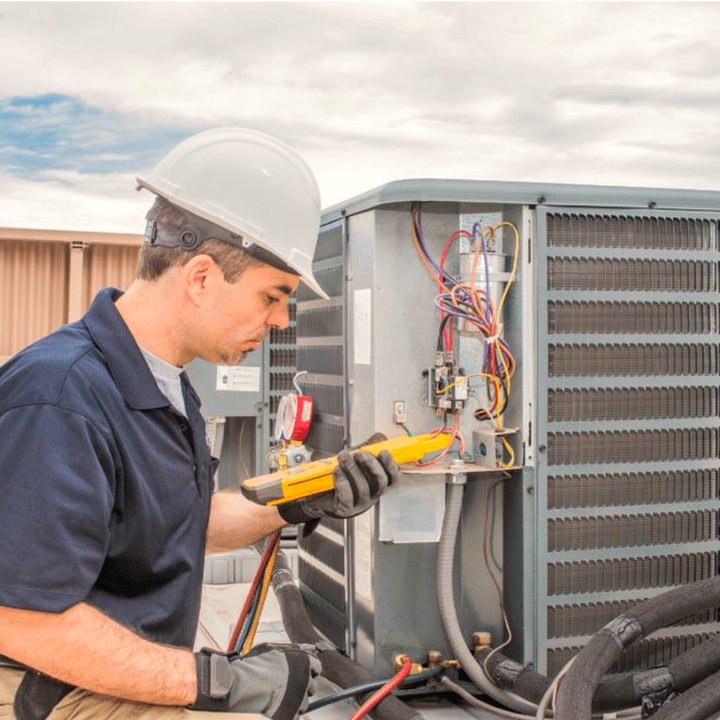
If a Cambridge dryer vent runs from a basement through a long rise, several elbows, or a finished wall, lint can collect along sections that are not visible from the appliance. A useful inspection follows the route from the dryer connection to the exterior hood and checks the termination as well as the pipe. Before arranging service, note the dryer location, photograph visible vent sections, and ask how the full route and airflow will be assessed.
Explore this serviceSend the location, symptoms, equipment and access details. State whether the work is a repair, replacement or planned project.
The request is reviewed so the responding provider can clarify the work, property access and service coverage.
Agree the provider identity, qualifications, written scope, pricing and visit window directly. Sending a form does not confirm an appointment.
A return-side leak can draw air from around the duct into the system, while a supply-side leak can release conditioned air along its route. Ask which side is affected and where the opening lies. That distinction helps you compare the proposed repair with the observed problem and understand why the location matters.
If cleaning must avoid business hours, provide operating schedules, tenant requirements, and access restrictions before requesting an estimate. Ask which areas need to be cleared and how equipment shutdowns or work zones would be coordinated. These details affect scheduling and the practical scope without assuming that after-hours work is available.
Lint accumulation can restrict airflow and is combustible, so ask how the vent will be checked and cleared. A cleaning plan should cover the pipe rather than only the lint screen or the short section behind the dryer. Verify that the dryer is reconnected and the work area is left clear.
Ask whether the HRV core and screens will be inspected and cleaned, and whether the condensate path will be checked for blockage. These are separate parts with different functions. If drainage is inaccessible or a leak is found, clarify whether further assessment is outside the cleaning scope.
Ask which main trunks and branches will be photographed, and whether access openings will be closed afterward. Images can help you compare the visible condition before and after the work, but they do not show every concealed section. Confirm how findings or inaccessible areas will be noted in the service record.
Use the form to describe the property, the symptoms and the work requested. For Kitchener, Ayr, Paris, Brantford, include your postal code so local coverage can be checked.